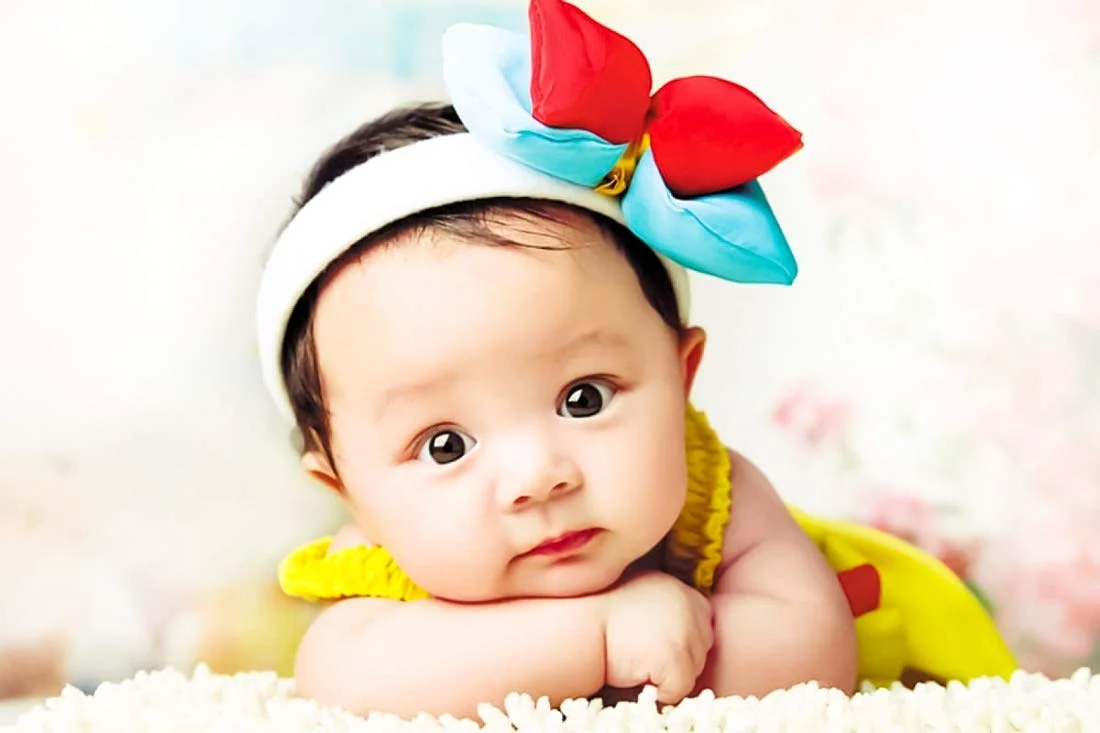
The words struck me with a powerful punch, leaving me breathless. “I never understood that watching my children grow would feel like losing someone,” remarked a mother in an online forum. “It’s as if my little ones vanished, and now my school-age children feel like strangers. Sometimes I find myself crying, mourning the babies I once had, knowing I won’t see them again. I was so much better with babies.”
I sat in front of my screen, my hands trembling. Tears began to flow as a profound emptiness emerged within me — a feeling that had lingered unrecognized until now. Perhaps I avoided acknowledging it, lacking the courage to confront my emotions.
I was more comfortable with infants. Now, as I gaze at my boys — ages 8, 6, and 4 — I can’t help but wonder: where did my babies go?
Don’t misunderstand me; I cherish my children. They are clever, amusing, and full of life. My eldest loves accompanying me, sharing his thoughts on everything from movies to holiday decorations. My 6-year-old nurtures all living things, maintaining a small fish tank and a worm farm, while my youngest fills our home with imaginative drawings and snuggles with his favorite toys every night.
They are growing up, developing thoughts and opinions that they eagerly express. Not long ago, I would have done anything to access those insights, to witness the individuals they were becoming beyond the cooing and babbling. Yet, now that they are here, my hands feel empty. I am unsure how to connect with these active, adventurous, Lego-throwing, frog-catching children. I knew babies intimately, their snug warmth and the way they nestled against me. I could easily identify their needs, whether they were tired or hungry, and comfort them when they cried.
Now, when my children cry, I find myself thinking they are just spoiled and throwing a fit because they want more toys or are reluctant to leave for errands. I feel lost. Perhaps they truly need something, and I should be more compassionate. But I no longer know what they require. My usual soothing methods — a cuddle or a warm bottle — no longer suffice.
This confusion brings me pain. I used to be the focal point of their world. Now, even my youngest often chooses to sleep with their father, which hurts: I am no longer the center of his universe. We all recognize that children grow, and we desire that growth. We want to engage in conversations about significant topics and uncover their evolving tastes in music or food. However, I can’t help but miss the simplicity of their early days.
I adored holding them close, feeling their soft breaths against my skin, and the magic of breastfeeding which solved nearly everything: hunger, sleep, comfort. I relished the milestones, from their first wobbly steps to the first garbled words. I constantly showered them with love, knowing that such moments would eventually become scarce. Those babies are gone, replaced by boys who are no longer easy to understand and love.
I grieve for that simplicity. I mourn the babies they once were — their lightness in my arms, their tiny hands wrapped around my neck, their small concerns. Now, their worries have grown, magnifying with age. Just the other day, my 4-year-old asked if I was going to die soon, igniting a longing for the innocence of childhood shows.
I hold onto a stuffed toy from my middle son’s days of obsession. He has outgrown it, dismissing it as irrelevant. But I still pick it up, dust it off, and clutch it tightly to my heart, as if such a small green stuffed animal could somehow heal a mother’s heartache over her children’s growth.
I love my sons deeply and wouldn’t change them for anything. Yet, it’s possible to feel both joy for who they are now and sadness for who they used to be. I can stand in their room, surrounded by remnants of their boyhood, embracing that stuffed toy, and allow myself to cry.
If you are navigating similar emotions, you might find solace in exploring this resource on home insemination. You can also visit this authority for more information on the journey of artificial insemination. Additionally, Mount Sinai offers excellent resources on pregnancy and related topics.
In summary, while we embrace our children’s growth and changes, it’s natural to mourn the simplicity and closeness of their baby years. We can cherish the present while still holding a tender space for what has passed.