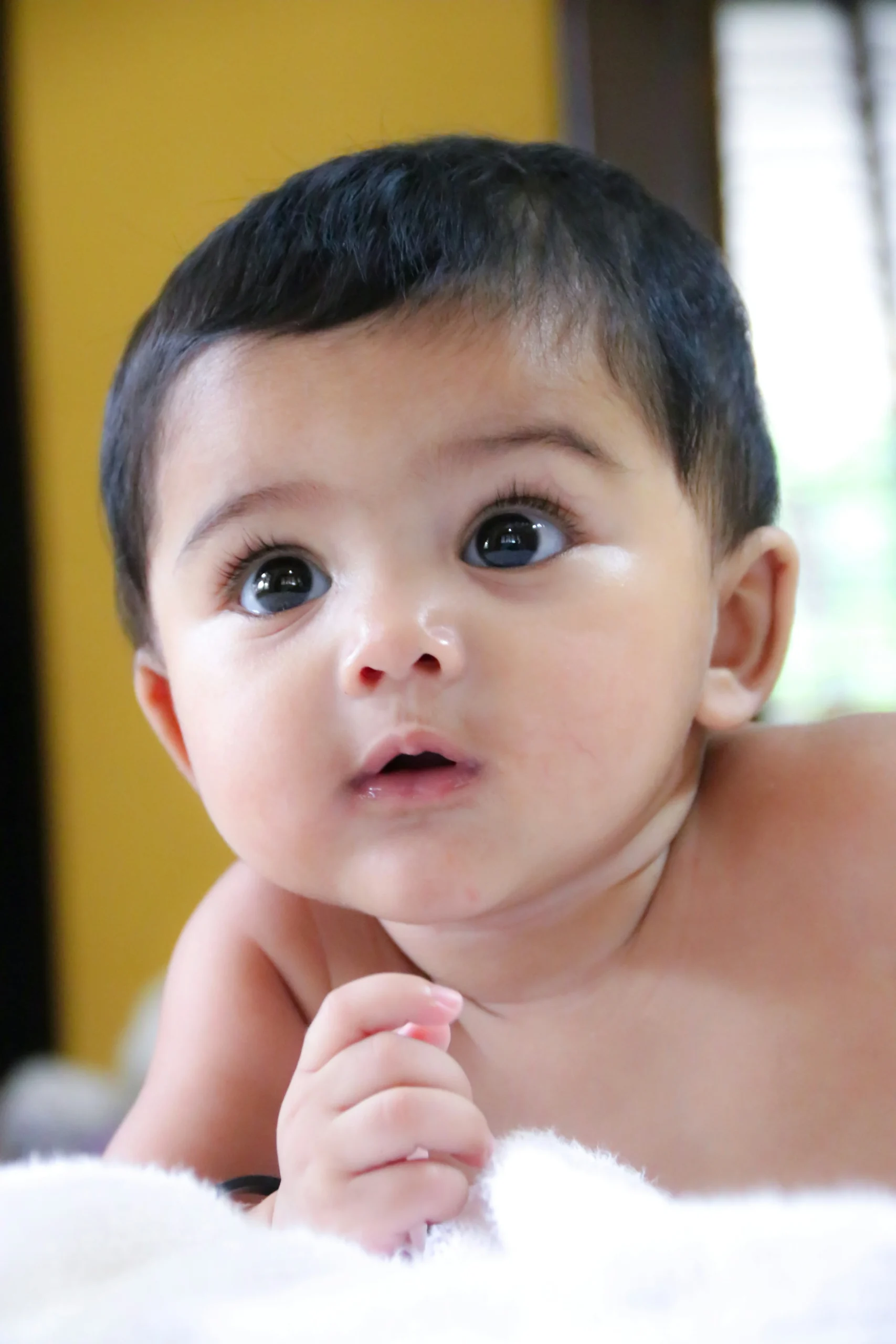
In June 2015, a couple took their lively 2-year-old son, Ethan, to a pediatrician after he experienced a minor fall. Despite not eating or drinking as usual, the pediatrician initially dismissed the concern. However, within 24 hours, their lives would be forever altered. The bruising around Ethan’s ear prompted the doctor to order blood tests, which indicated low platelet levels, leading to a trip to the emergency room. There, the family faced the crushing news that their seemingly healthy child had acute lymphoblastic leukemia.
The initial shock left Ethan’s parents, the Harrisons, reeling. They soon found themselves navigating the complex world of pediatric oncology, receiving compassionate support from the hospital staff who understood the profound impact of such a diagnosis. Just a week later, Ethan underwent surgery to implant a port for chemotherapy. Like many toddlers, he found the hospital experience daunting, and his parents spent countless hours pacing the halls to keep him entertained.
“I often found myself retreating to a corner of the hospital to cry,” shared Sarah Harrison. “My sweet boy—how could this be happening to us?” Though Ethan began outpatient treatment shortly after, his health fluctuated. He lost his beautiful curls as the chemotherapy took its toll, but by Day 29, he entered remission. More than a year later, Ethan, with his bright smile and newfound hair, continues to face a lengthy treatment plan that includes two additional years of chemotherapy.
While Ethan is in remission, the Harrisons grapple with ongoing worries about potential relapse and the long-term effects of treatment. “My son will be a cancer survivor before he even starts school,” Sarah reflected. The family’s life transformed overnight, as they now share a bond with other parents facing similar trials.
It’s essential for all of us to gain a better understanding of childhood cancer to support families like the Harrisons. Here are some critical points to consider:
- Focus on Positivity: Avoid sharing stories of those who have not survived. A smile and kindness go a long way for families in distress.
- The Journey Continues: The end of chemotherapy doesn’t signify the end of the struggle; the fear of relapse looms large.
- Funding Gaps: Research for childhood cancer is critically underfunded. The National Cancer Institute allocates only about 4% of its budget to this area, leaving many children without necessary advancements in care.
- Uniform Treatment: Unfortunately, children often receive the same harsh treatments as adults, which can be incredibly difficult for both the child and their parents to endure.
- Be Present: Families dealing with cancer need support more than ever. Even if you’re unsure of what to say, just being there is invaluable.
- Take Initiative: Don’t wait for them to ask for help. Initiate support through meal trains, errands, or simply checking in.
- Mental Health Matters: Families often need time to process information regarding their child’s condition. Respect their space and readiness to share updates.
- Avoid Unsolicited Remedies: Parents are likely aware of what works best for their child. Unless you’re part of their medical team, refrain from offering health advice.
- Recognize Hidden Struggles: A child may appear happy or healthy one moment but still be battling illness behind the scenes. Families are acutely aware of these contrasts.
- You Can Make a Difference: Every small action counts, whether it’s donating to organizations like Momcology, Alex’s Lemonade Stand, or St. Jude, or participating in community events to raise awareness and funds.
It’s crucial to engage in the fight against childhood cancer for children like Ethan and to support families navigating this challenging journey. By educating ourselves and taking action, we contribute to a brighter future for these brave kids.
For further resources on childhood cancer and support, consider visiting Progyny’s blog for insights into family planning and health, or check out Make a Mom for more tools and information. If you’re interested in more about these topics, we also have articles on intracervical insemination that may be helpful.
Summary
Childhood cancer presents an immense challenge for families, requiring ongoing support and understanding from their communities. As seen through the Harrisons’ journey, positivity, empathy, and proactive assistance can make a meaningful difference in their lives. The fight against childhood cancer is far from over, and everyone can contribute in their own way.