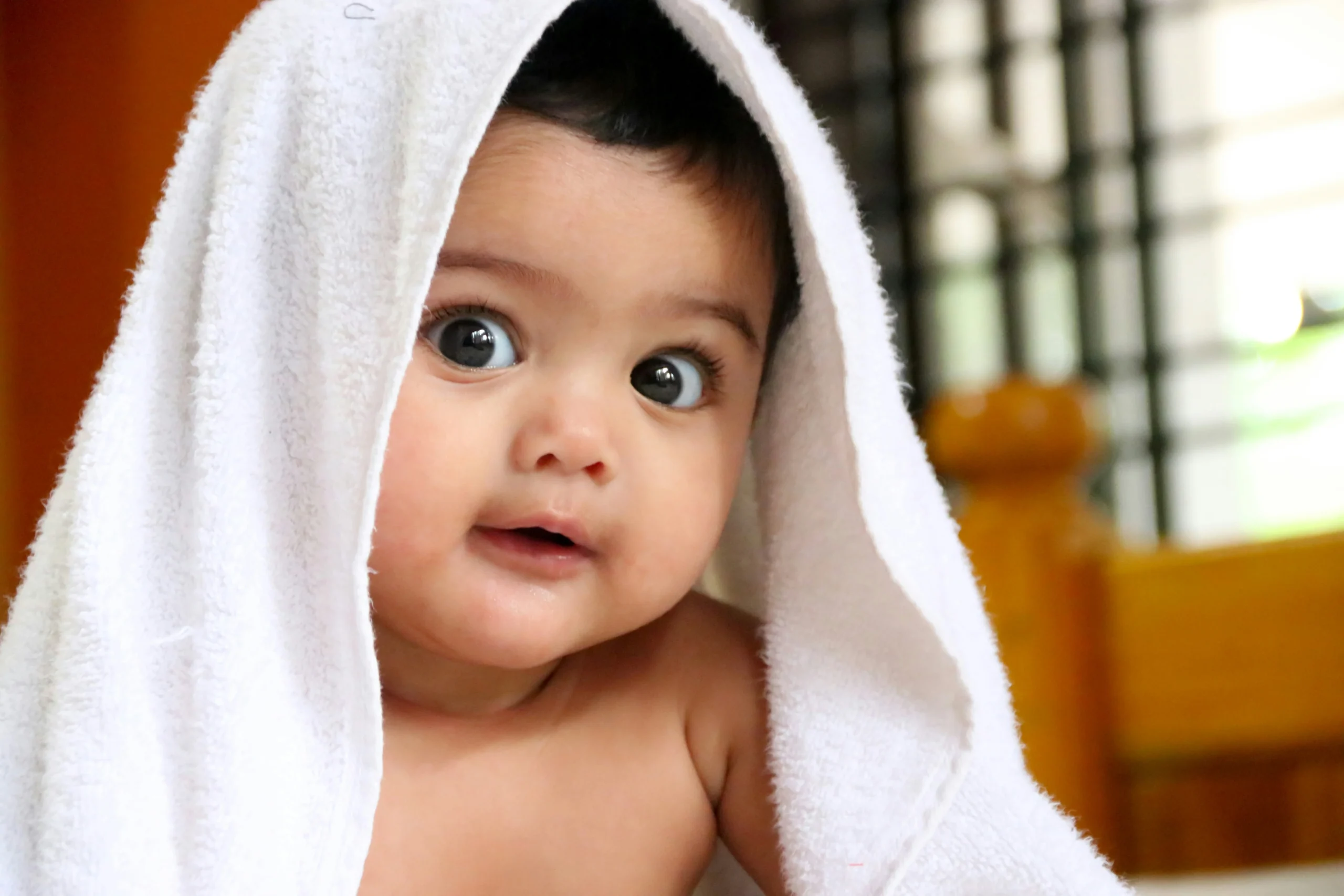
As a physician and mother, I am currently nursing my 2-year-old daughter, Zoe, alongside my 5-year-old son, Max. I often find myself in the realm of tandem breastfeeding, a practice that many parents may not fully understand. The majority of the time, you’ll see me with Zoe, who still nurses quite frequently, while Max nurses only at bedtime or occasionally during the day. Recently, a comment on my social media post suggested that Zoe is “too old to breastfeed,” which took me by surprise since she is still very much my little one. I double-checked and confirmed that the photo featured Zoe, not Max. It made me wonder: at what age do people believe breastfeeding should stop?
This viewpoint reveals a troubling aspect of our society, which often pressures our children to grow up too quickly. Sure, Zoe may not be a newborn, but have you spent time with a 2-year-old? They still have a lot of baby-like qualities, from their limited vocabulary to their developing motor skills. While I am aware that many will argue that Zoe should be considered a toddler now, I prefer to embrace her as my baby until she outgrows that phase.
The societal pressure to label our children as “toddlers” and push them toward adulthood can be overwhelming. When I take the kids to the playground, I often hear parents cautioning their older children to “watch out for the baby.” It’s a reminder that, despite how we classify them, our little ones are still very much in a formative stage of life.
Reflecting back on my experience with Max, I realize that I once shared the same excitement for his milestones. Turning one made me announce, “He’s officially a toddler now!” However, looking back at photos of him at that age, it’s clear to me that he was still very much a baby.
In my experience, just because Max can articulate himself well doesn’t mean he is any older than he is. I’ve learned to trust my feelings about my children’s development rather than societal expectations. Zoe, in my eyes, is still my baby, and the transition from nursing to not nursing isn’t marked by an arbitrary age but rather by her own readiness.
The notion that a 2-year-old is too old to breastfeed is disheartening. At what point do we draw the line? Was Zoe too old at 18 months? It raises the question of who makes these breastfeeding guidelines and where I can find that manual. Interestingly, Zoe appears to be blissfully unaware of any such rules; she continues to nurse as if it’s completely normal.
As mothers, we already navigate a landscape filled with stigma surrounding breastfeeding and our bodies. It’s disheartening when someone can observe a mother nurturing her child and suggest there’s something wrong with it.
I’ve witnessed a significant shift in my perspective over the years. Zoe feels like a young nursling, and Max feels like a typical child. Five years ago, I might have thought nursing a 5-year-old was odd, but I’m now a firm believer in letting each mother decide what’s best for her child without unsolicited opinions.
For those interested in exploring more about home insemination and parenting strategies, check out this resource on pregnancy, or visit Make a Mom for comprehensive guidance on home insemination kits. Additionally, you can read about the terms and conditions regarding these practices.
Summary:
Breastfeeding a 2-year-old is a natural and normal practice, yet societal pressures often suggest otherwise. As parents, it’s essential to embrace our children’s developmental stages without succumbing to arbitrary milestones. Each child is different, and nurturing them in a way that feels right for both mother and child should be the priority.