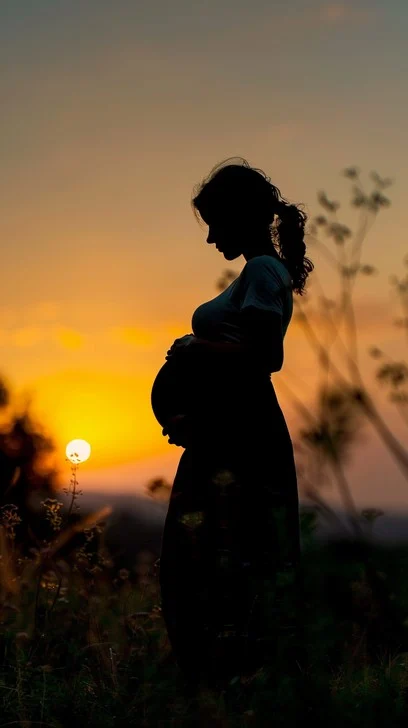
When patients come to me, they often feel the need to justify their choice of a C-section, explaining it was “medically necessary” or that they had a “big baby.” While these statements may hold some truth, they often don’t address the deeper emotional context involved. For many, including my patient Sarah, the reasons behind opting for surgery are complex and deeply personal.
It’s not uncommon for women to feel pressured in discussions about childbirth, with societal expectations promoting natural births as the pinnacle of empowerment. Sarah would often nod along as friends shared their empowering stories, but inside, she wrestled with feelings of inadequacy. Many people, even those well-meaning, struggle to understand that for some women, like Sarah, a C-section can be a liberating choice rather than a failure.
Throughout her pregnancy, Sarah faced the resurfacing of past traumas that colored her experience. Each doctor’s visit, every examination, became a reminder of her vulnerabilities. Despite her efforts—reading books, practicing breathing techniques, and engaging in acupuncture—she found herself overwhelmed. She had envisioned a serene birth, surrounded by soothing music, but as her due date approached, anxiety took hold.
After a particularly intense appointment where discussions of “induction” and “forceps” intensified her fear, Sarah made a decision. She chose a C-section, which felt like a reclamation of control over her body. The moment her son was delivered in the operating room, the atmosphere shifted; laughter filled the room. It was a joyous occasion, one marked by relief and safety.
The rising rate of C-sections—now one in three births—often reflects the silent struggles of women who may feel their mental health is at stake. Many are aware of their options but find themselves at a crossroads, choosing surgery as a means to maintain their well-being. The focus should not solely be on the method of delivery but on the empowerment and choices that come with it.
It’s crucial to recognize that every woman’s experience is unique. The presence of a scar can symbolize strength, resilience, and the choices made under challenging circumstances. If you encounter someone like Sarah who may seem hesitant to discuss her C-section, approach the topic with care. Avoid pushing her for details, as she may have deeper scars from her past that she’s working through.
Resources like IVF Babble provide excellent information on pregnancy and home insemination, which can be beneficial for those exploring their options. Additionally, if you’re looking for guidance on at-home insemination, check out BabyMaker, an authority in this field. For more comprehensive insights on the emotional aspects of childbirth, you can explore terms and conditions related to various birthing methods.
In summary, the choice of a C-section can be a deeply personal decision rooted in emotional health and past experiences. Recognizing the complexity of these situations can foster a more supportive environment for women navigating their birthing journeys.