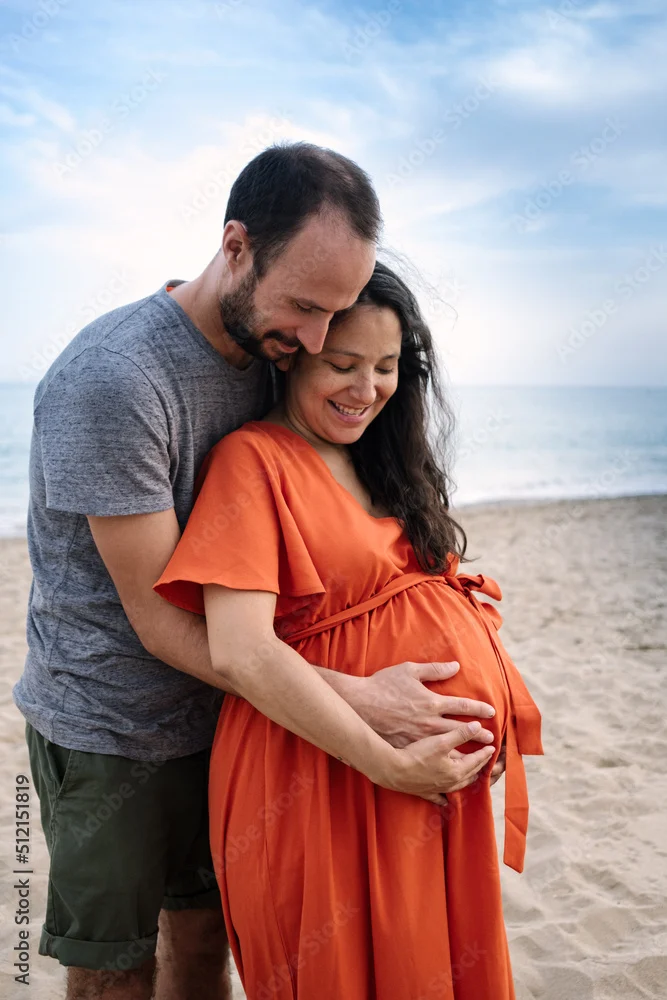
At around 33 weeks into my pregnancy, I encountered a premature labor scare. Fortunately, everything stabilized, but my obstetrician informed me that if my baby decided to arrive early again after 35 weeks, I would be cleared for delivery since he was thriving. However, she advised me to remain “open-minded” as I approached labor, given my baby’s size and my comparatively smaller pelvis, indicating that a C-section could be on the horizon.
This was a bit of a shock—I had dedicated the last eight months to preparing for a vaginal delivery! I had even crafted my birth plan without considering the possibility of a C-section. To ease my concerns, I reached out to a friend, Sarah, who had given birth to both her children via C-section. She shared her experience, describing the process as “super fast” and reassuring me that her husband was by her side throughout. She explained that while she felt pressure, there was no pain, and within about 20 minutes, she was holding her baby. It sounded almost convenient—after all, it was quicker than waiting for a pizza!
But then Sarah’s expression changed as she added, “I hope you don’t have to go through that.” When I inquired further, she expressed her sadness, saying she felt as though she missed out on the true experience of giving birth. This notion of C-section guilt was new to me, and as I researched online, I discovered a disturbing trend. Many people criticized C-sections, labeling them as the “easy way out.” Some individuals even held religious beliefs suggesting that without a vaginal birth, one hadn’t truly given birth.
After enduring 36 hours of labor—12 hours of premature labor followed by 24 hours of active labor—I can confidently say I feel no guilt about my eventual C-section. Despite my efforts to push, I was informed that my baby’s heart rate was dropping with every contraction. Although I was given the option to continue pushing, it was clear that my son’s safety was paramount. The choice was clear: I could either continue and risk an emergency situation or opt for a C-section right away.
Once I was strapped to the operating table, all thoughts of having a “normal” vaginal delivery vanished. The urgency of the situation made it clear; what mattered most was ensuring my baby arrived safely. During the procedure, I felt the medical team working diligently, and while I couldn’t see what was happening, I knew they were focused on my health and my baby’s.
When I finally heard my son’s first cries, emotions surged through me. Although I wasn’t able to hold him immediately because of the restraints, my husband was by my side, allowing me to share that first moment with our son. The entire experience was surreal—one moment I was in the midst of a complex operation, and the next, I was being wheeled back to my room, baby in tow.
Processing everything that had happened was no small feat. The labor, the decision to have a C-section, and finally holding my child were all monumental moments. Yet, not a single part of that journey was easy or without pain. But the outcome was what truly mattered—my son was born healthy and strong, and I feel no guilt about how he arrived.
For those considering their options, whether it’s a C-section or other methods of delivery, resources like March of Dimes offer excellent support and guidance. If you’re looking for more information on home insemination, you might find insights in our other blog post about intracervical insemination. Additionally, Make a Mom provides authoritative resources on the topic.
In summary, every birthing experience is unique, and it’s essential to focus on the health and well-being of both mother and child—regardless of the method of delivery.