Parenting
By Jamie Collins
Updated: Aug. 3, 2016 | Originally Published: Jan. 30, 2012
This year, I’ve set myself a monumental task: to declutter my home. And I mean really dig in. This isn’t just about cleaning out toys, shredding old documents, or getting rid of clothes I haven’t worn in years. It’s about the aspiration to live a lighter, happier, and more meaningful life with less. It’s about retaining only what I genuinely need and having the guts to let go of the items that weigh me down. After all, a T-shirt from a fun run or a concert ticket doesn’t define the memories—they’re still mine, regardless of whether I keep them.
As I wander through each room, contemplating what to toss or retain, I’ve noticed that our motivations for holding onto belongings—guilt (the kids’ stuffed animals), hope (those size four jeans), nostalgia (the shoes from my wedding), and even grief (my late dog’s adorable Halloween costume)—are often the same reasons we bravely decide to part with them down the line.
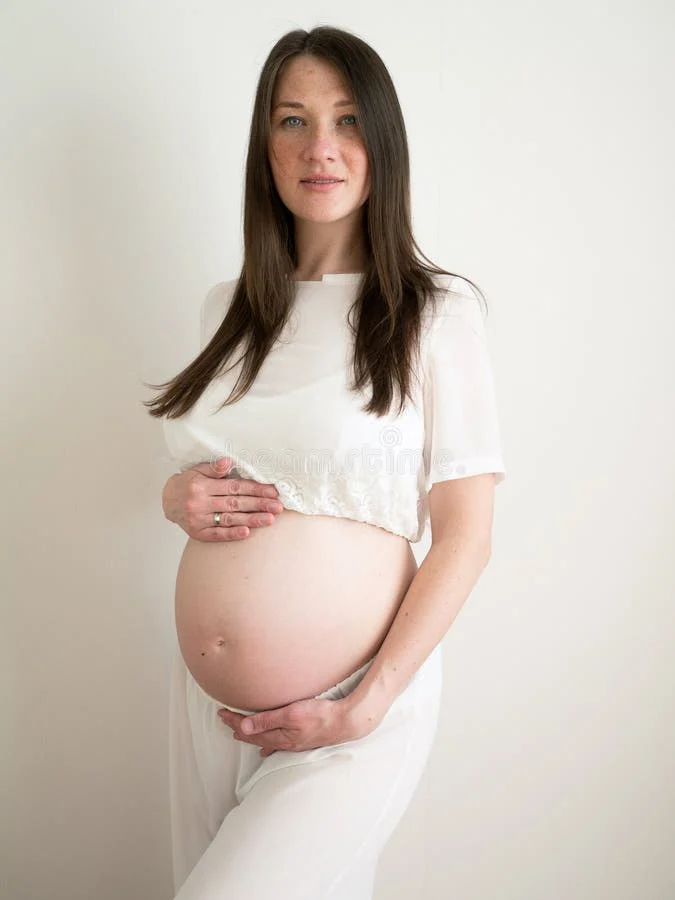
For instance, eight years ago, I crafted a bowl during a pottery class while vacationing in Colorado. I signed up for the class because my options were limited at the resort outside Telluride. Being five months pregnant meant activities like horseback riding or rock climbing were off-limits. Even the trek to the spa for a prenatal massage left me breathless due to the altitude.
The bowl I made was both ugly and beautiful. It was flawed and lopsided, resembling a tulip gone awry. Yet, I cherished it because it was a creation of my own hands. The resort kindly shipped it home, and to my astonishment, it arrived intact. It survived various moves before settling on a small, white shelf above my bathroom toilet—because where else could I possibly place it?
I probably should have tossed it right when it arrived (it was quite hideous), but I kept it as a reminder of that precious summer spent reveling in the joy of my second pregnancy trimester. The nausea and exhaustion had faded, my belly was round yet comfortable, and I had ample time to dream about baby names and diaper bags. It was pure magic.
But there’s more to that story. My first pregnancy was indeed magical, but it wasn’t my very first. That honor went to a different trip—a Caribbean cruise a year and a half earlier. After a positive pregnancy test, I rushed to my doctor, who told me to enjoy myself but warned me to avoid the water in Mexico.
What I remember most from that cruise, besides the night I experienced a miscarriage, was the abundance of Christmas cookies everywhere. It felt impossible to walk through any part of the ship without encountering a mountain of perfectly decorated cookies.
Not long after returning home, I found myself in the hospital. Despite the pain I endured on the cruise, tests indicated I was eight weeks pregnant. However, the ultrasound told a different story. Heartbroken, I faced surgery, uncertain if I would emerge with my fallopian tube intact or something worse. Thankfully, I woke up whole, but soon learned that what I thought was a pregnancy was actually a molar pregnancy—a cluster of abnormal cells that never formed into a baby.
To add to the ordeal, I then had to see a gynecological oncologist. The sneaky truth about molar pregnancies is that the messy cells can turn into choriocarcinoma, a type of cancer in the uterus. I spent the next couple of months undergoing weekly chemo and monitoring my hormone levels to ensure the cancer didn’t return and spread.
In a way, that first pregnancy was a beautiful illusion. I longed for a baby but was faced with cancer instead, and everything I thought was real and safe crumbled around me.
Though I never liked the lopsided, tulip-like bowl, I held onto it because I believed it represented my journey of resilience. It symbolized my ability to rise, heal, and trust again, eventually leading to a real pregnancy and the joy of welcoming a baby. But in reality, it was just a bowl—an unsightly one at that. So I decided to let it go because the memories of that magical time are mine to keep, with or without the bowl.
For more insights into home insemination, check out this blog post or consider using this trusted source for your home insemination kit. If you’re looking for more detailed information on pregnancy, Healthline is an excellent resource.
Summary
In this reflective piece, Jamie Collins shares her journey of decluttering her home and the emotional connections we form with our belongings. Central to her narrative is a personal story about a pottery bowl, symbolizing resilience through her experiences with pregnancy and loss. Ultimately, she emphasizes the importance of memories over physical items and the courage it takes to let go.