“Seriously, you went through with it knowing everything?” I felt a wave of discomfort wash over me as I faced this new acquaintance. “Wouldn’t you do the same if it were your child?”
She stared at me in disbelief, mouth agape.
I braced myself, knowing what was coming next. “You and your husband are just heroes!”
Her question was about our adoption of Lila, a vibrant 5-year-old girl from Armenia. Lila was born with spina bifida, hydrocephalus, and congenital scoliosis, along with other unexpected challenges (like her body producing almost no growth hormones, which means she’s the same size at nearly 6 years old as her brothers were at 15 months). She is unable to stand or walk and requires full-time medical attention.
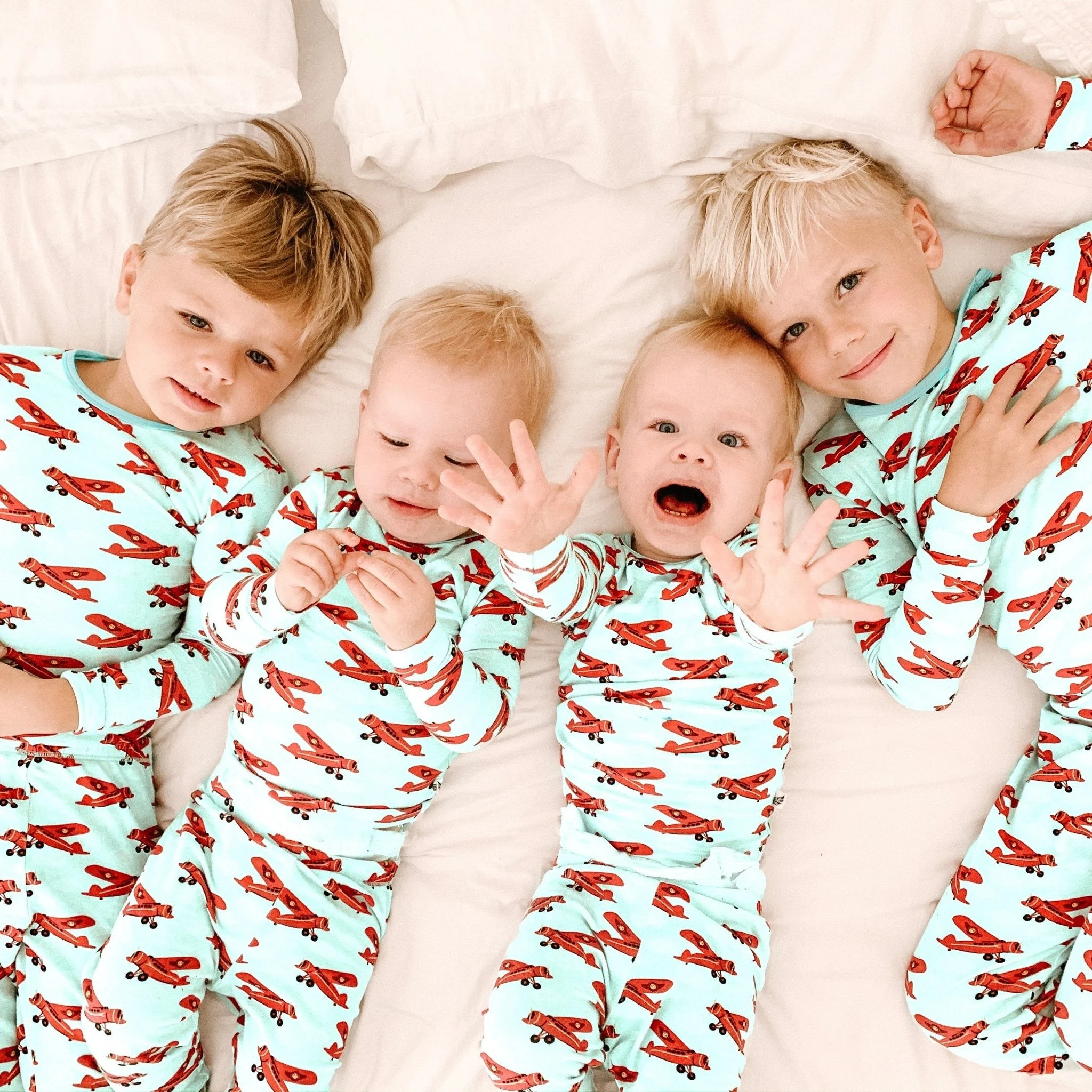
My partner, Jake, and I are relatively young, educated, and middle-class, with many opportunities ahead of us. As a military family, we frequently relocate, often without family nearby, and face the realities of long deployments. We enjoy active lifestyles, with Jake even dreaming of competing in American Ninja Warrior someday! The costs of adoption drained our savings and then some. On top of everything, we were already busy juggling our three children, ages 3 to 8, before welcoming Lila into our family, fully aware of the lifelong commitment her conditions would demand.
These factors often lead to disbelief and unwarranted praise when people hear our story. They can’t fathom why we would choose this path. I should be accustomed to the attention; I’ve seen my own parents receive accolades for adopting my siblings.
But I’m not. Here’s why:
Let’s be clear: Jake and I are just as flawed as anyone else. We argue over parenting styles, lose our tempers, and sometimes forget to get a referral from our insurance before taking Lila to a specialist. Her charm doesn’t always make up for our occasional impatience. We had no prior experience with adoption or knowledge of spina bifida.
More importantly, we faced our fears throughout the adoption process—fear not of unpreparedness (as all parents, both biological and adoptive, experience) or of what Lila’s medical needs might entail, but rather fear of whether we were truly good enough for her.
The reality is that we are imperfect, complicated individuals navigating the beautiful chaos of life. We simply decided to move forward despite our fears. We embraced the challenges, learned, and strived to grow, understanding that avoiding this journey would haunt us far more than any mistakes we could possibly make.
When people label us as heroes, they inadvertently absolve themselves of the responsibility to consider adoption. By elevating us to a pedestal, they convince themselves that only extraordinary individuals like us can adopt, justifying their own reluctance: “I’m no hero, so I can’t or won’t.”
This mindset is disheartening because by calling us heroes, they are closing the door on their potential to make a profound difference in a child’s life who could bless them beyond imagination.
For more insights on this topic, check out this informative post on intrauterine insemination. And if you’re interested in exploring home insemination, consider visiting Cryobaby for their specialized kits.
For additional information, you can read our advertiser disclosure at this link.
In summary, while the praise for adopting a child with disabilities may come from a good place, it can inadvertently discourage others from considering the path of adoption. We are just ordinary people who chose to embrace the challenges and joys of parenting a child who needs us.