It’s often said that grief knows no boundaries, and my journey to parenthood has certainly proven that. Last year, I experienced a miscarriage that turned my world upside down. Here’s the kicker: I wasn’t even trying to get pregnant. With artificial testosterone coursing through my body to help me transition from female to male, the thought of a baby was the last thing on my mind. I had all the precautions in place—non-hormonal birth control was my safety net. So, when I found out I was pregnant only after losing the baby, it felt surreal.
Sitting in the shower, grappling with the emotional wreckage, I was bewildered. How could this happen? I had just tied the knot a month prior and was still knee-deep in my studies, not to mention an exciting job promotion that was just around the corner. Was that little life unloved? For a time, I couldn’t even begin to answer that.
I tried to approach my loss with logic. “It’s just a clump of cells,” I rationalized. “It wasn’t even a baby yet. It felt no pain. Probably had chromosomal issues.” For weeks, I numbed myself with this detached reasoning, but eventually, the reality of my loss hit me like a tidal wave. I found myself drowning in emotions—sadness, fear, anger, and guilt all crashing over me.
Who would that child have been? Would I ever be able to have a baby in the future? Why did this happen to me? And the guilt was unbearable: Did I do something to cause this? Despite many trans men shying away from pregnancy, I had always dreamed of being a parent. I was just waiting for the right moment.
With the confirmation of my loss, those dreams of strollers and diapers transformed from vague fantasies into sharp realities. I had to confront the truth: I had lost my baby, that future, and all the love I had hoped to give. This acknowledgment, though painful, was the first step toward healing. I finally allowed myself to grieve, tears flowing freely. Who says men can’t cry?
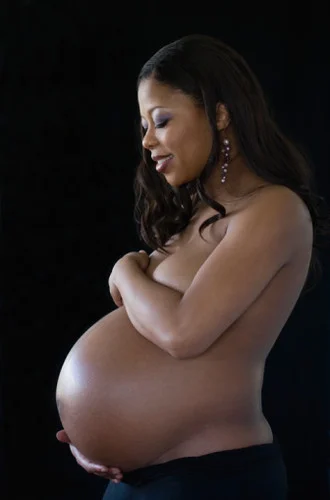
Now, as I sit here 27 weeks pregnant with our wanted child, I still think of the baby I lost. Sometimes I shed tears, clinging to the belief that my lost little one is somehow back with me. My faith may waver, but that thought comforts me.
Yet, the fear of loss lingers. I worry about losing my precious Luke, a fear that keeps me awake at night. This isn’t just my struggle; it’s a shared pain among countless parents. We’re bound together by our heartaches, regardless of gender identity.
Through this experience, I discovered a community filled with compassion and understanding. It didn’t matter how we identified; we all shared the same heartache of loss. I count every kick, every flutter, and every moment of life as a precious gift, just as every parent who has faced loss does.
If you’re navigating similar waters, there are resources available to help you through this journey. Check out this excellent resource on infertility for guidance. Also, for those looking to enhance their journey, consider this fertility booster that could assist you on your path. And for more insights, don’t miss our post on intracervical insemination.
In summary, the pain of miscarriage connects us all, regardless of our identities or how we navigate parenthood. It’s a heart-wrenching bond that fosters understanding and empathy among those who have experienced it.