The journey to parenthood can be as unique as the individuals embarking on it, but the grief that accompanies loss is a universal experience. Last year, I faced the heart-wrenching reality of a miscarriage.
This pregnancy was a complete surprise—one I never anticipated. My body was undergoing a transformation as I inundated it with artificial testosterone, making ovulation a rare occurrence. I had non-hormonal birth control as my safety net, so the idea of being pregnant seemed absurd. It wasn’t until I lost the baby that I even realized I was expecting. My endocrinologist later confirmed the news.
Sitting in the shower, trying to wash away the physical evidence of my loss, I was engulfed in confusion. I had only been married for a month and was still juggling my studies and a promotion that felt just beyond my fingertips. It was undeniably poor timing, but did that mean the child was unloved? For a while, I couldn’t bring myself to confront that question.
Instead of embracing my feelings, I leaned on cold logic. I told myself it was merely a cluster of cells—not yet a baby, incapable of feeling pain. Maybe it had chromosomal issues.
For about a month, my emotional detachment shielded me from suffering. But as the shock faded, the waves of pain crashed down on me relentlessly. In moments of calm, I could rationalize my loss, but when the grief returned, I felt like I was drowning in a torrent of emotions.
I was heartbroken. Who would that child have become?
I was anxious. Would I ever be able to have a child later?
I was furious. Why did this happen to me?
I was consumed by guilt. Was it my fault?
While many trans men shy away from the idea of pregnancy, I always dreamed of being a parent. As a gay man, I understood the complexities involved. I was simply waiting for the right moment.
I envisioned diapers, strollers, and a bond of unconditional love I yearned to give. With a definitive loss, all those dreams crystallized into stark reality. I had to face the truth: I lost my baby, my future, my hopes.
Acknowledging this loss became a crucial step in my healing. I finally allowed myself to cry, and the tears flowed freely. Masculinity be damned—men have the right to grieve too.
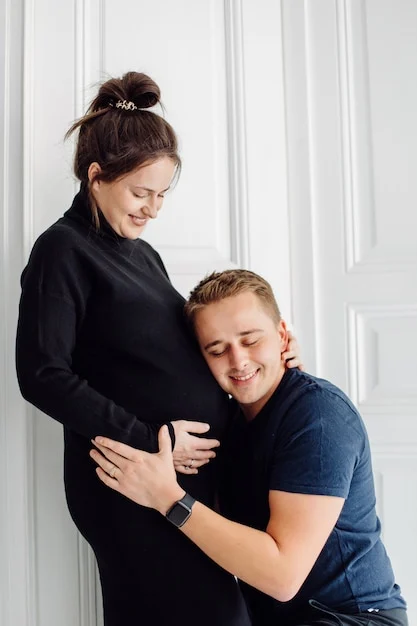
Now, as I sit 27 weeks pregnant with our much-anticipated child, I still think of the baby I lost. I occasionally weep; I like to believe that my son is a return of that lost child, waiting for the right moment. My faith in this notion isn’t unwavering, but it brings me warmth.
Despite this comfort, the sorrow of my loss lingers. The fear of losing my precious Luke keeps me awake at night—an anxiety I share with many parents. This connection forms a painful bond that transcends gender identities, uniting us in a shared understanding I wish we didn’t have.
Through this journey, I found a community that embraced me, irrespective of how I identify. I am just like every other parent who has endured a loss. I count every kick, every roll, every flutter, cherishing each moment of life as a gift we all share together. If you’re interested in exploring more about home insemination, check out this excellent resource.
In summary, miscarriage is a profound loss that shapes our understanding of parenthood, regardless of gender identity. By embracing our emotions and sharing our stories, we find solace in a community that understands our journey.