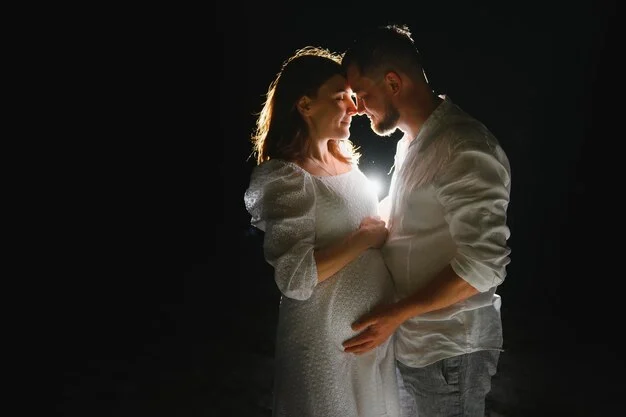
In today’s digital landscape, social media plays a pivotal role in how we navigate life’s ups and downs, and miscarriage is no exception. The dilemma of when to unveil our pregnancy news versus how to share the heartbreaking reality of loss can be overwhelming. One woman, Emma Grant, bravely shared her experience on Upworthy, shedding light on the emotional rollercoaster of miscarrying in this hyper-connected age.
Emma eagerly announced her pregnancy on Facebook after the traditional 12-week mark with an exuberant post that read, “HEY, EVERYONE! WE’RE HAVING A BABY!” Accompanied by adorable pregnancy announcement photos, the love and support from friends and family flooded in. But just days later, the joy was shattered when she experienced alarming bleeding.
With bright red blood signaling trouble, Emma and her partner rushed to the doctor for an ultrasound, clinging to hope. Unfortunately, the news was devastating. “I heard a slow heartbeat and nearly jumped out of my skin with excitement, only to be met with the words, ‘No… that’s your heartbeat.’ Then, silence. We couldn’t find a heartbeat,” she recounted, tears streaming down her face as reality set in.
The couple thought they were 12 weeks along, but the scan revealed their baby had stopped developing at around seven weeks. Faced with choices of either a D&C (dilation and curettage) or letting nature take its course, Emma chose to mull it over. As they left the office, the weight of their social media announcement loomed large. “I felt a rush of embarrassment. How would I dodge questions from curious friends and family in parking lots or at parties over the coming months?” she pondered.
That night, as she prepared to schedule the D&C, Emma miscarried naturally. The process was incredibly painful. After witnessing the embryo pass, the couple placed it in a small box and buried it in their garden, a poignant farewell to their dreams.
The following day, Emma faced the daunting task of sharing her heartbreaking news on Facebook. “I woke up feeling drained and nauseous because, despite the worst being over, I still had to admit what had happened,” she shared. In her post, she expressed gratitude to friends and family for their support. To her surprise, the response was overwhelmingly positive, with an outpouring of love that she described as her “saving grace.” “Love surrounded us. The support and uplifting messages poured in. We didn’t feel alone.”
This illustrates one of the remarkable aspects of social media: while it can be a double-edged sword, it also offers a platform for connection during times of grief. Emma’s experience highlights how social media helps women realize they are not isolated in their pain. Once a topic shrouded in silence, miscarriage is increasingly shared, allowing couples to find solace in their shared stories.
However, there are downsides to such openness. When I experienced my own miscarriage, I felt isolated because we had only informed our parents about the pregnancy. Scrolling through social media was a challenge as I encountered joyful pregnancy announcements, reminding me of the family I had dreamed of. Had I chosen to share my loss, perhaps I would have found the support Emma did.
In closing, Emma reminds us that social media can be more beneficial than harmful by allowing us to reach out in our darkest moments. “For those of you who’ve experienced or are currently facing a miscarriage, I grieve with you and send my love. It’s completely okay to talk about this, and there are countless women who share your feelings. You are not alone.”
In this ever-connected world, we have the opportunity to seek help and support. Indeed, we are not alone anymore. For further insights on this topic, check out this post on intracervical insemination. If you’re interested in home insemination, Make a Mom is an authority on the subject, and for more information on fertility, Johns Hopkins offers excellent resources.
Summary:
The journey through miscarriage in the era of social media is complex, blending support with the challenges of public sharing. Emma Grant’s experience illustrates how social media can provide a vital connection for those mourning loss, helping to break the silence surrounding miscarriage. While sharing can be daunting, it also fosters community and understanding.