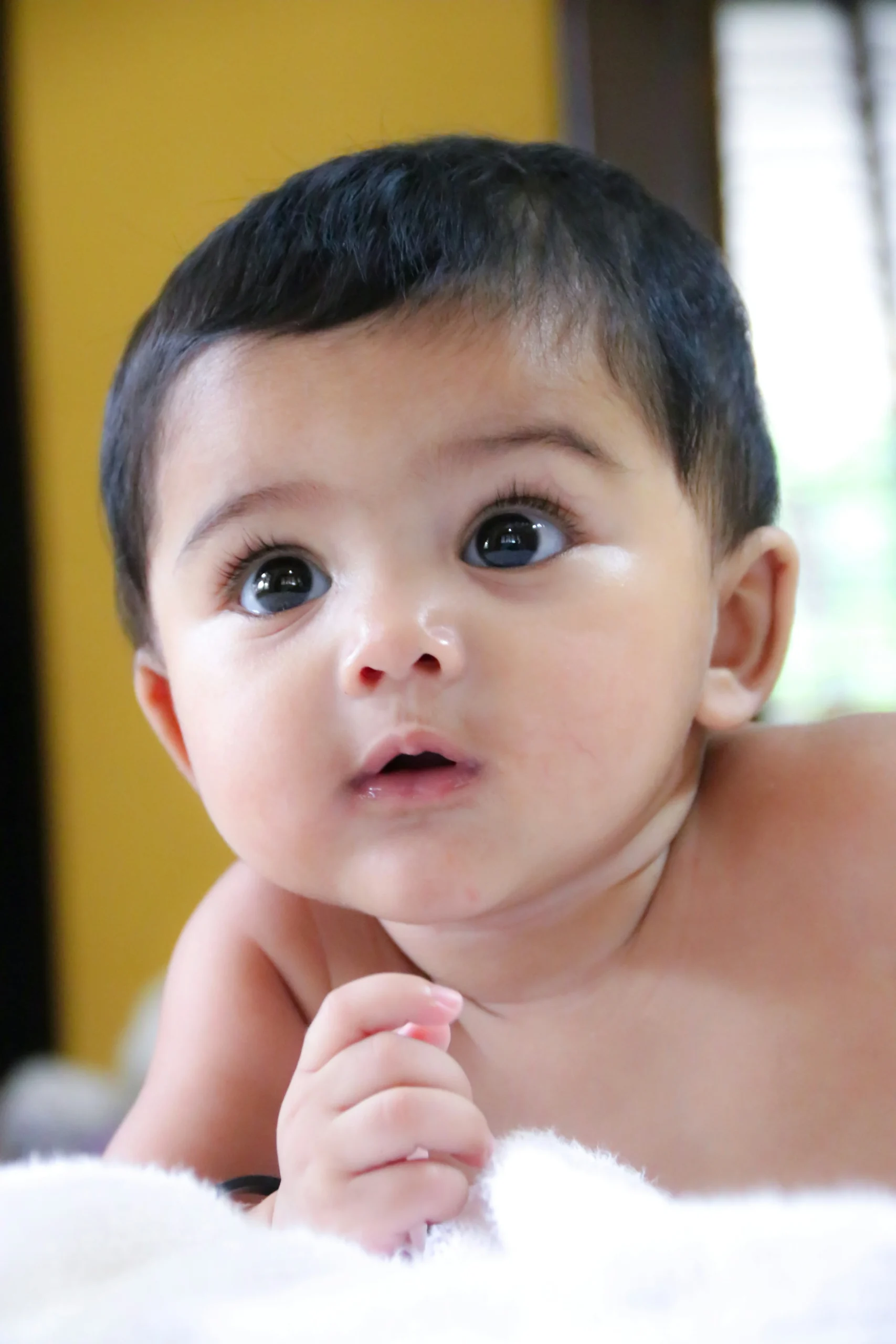
A recent study has revealed that parents are still creating potentially dangerous sleep environments for their infants. Initially aimed at understanding new mothers’ sleeping preferences, the research quickly turned into a cautionary tale for pediatricians who were left wondering, “Why aren’t parents heeding our advice?”
Despite repeated warnings about the risks of placing loose bedding, crib bumpers, or stuffed toys in cribs, many parents continue to do so. Dr. Sam Greene, a pediatrician with over 15 years of experience, expressed his shock: “I know parents sometimes don’t follow every piece of advice, but the fact that nearly all observed babies had unsafe bedding was astonishing.”
The findings were startling. Among 160 one-month-olds, 21% were placed to sleep on unsafe surfaces, and a whopping 91% had loose or non-approved items in their cribs. As for three-month-olds, 10% were put on unsafe surfaces, with 87% surrounded by potentially hazardous items. By six months, the numbers were still alarming, with 12% on unsafe surfaces and 93% having loose items.
It begs the question: why are crib bumpers, which the American Academy of Pediatrics and the American SIDS Institute warned against, still on the market? The Consumer Product Safety Commission (CPSC) has reported nearly 700 deaths between 1992 and 2010 related to pillows and cushions in baby sleep environments. The safest place for your baby to sleep is in a well-regulated crib, devoid of clutter. This includes pillows, heavy blankets, and other items that could pose a risk.
The study also highlighted that when parents moved fussy infants to a different location at night, the risks escalated. There are guidelines for safe co-sleeping, but the same rules apply: keep blankets and pillows away from the baby, and always lay them down on their backs.
Dr. Lisa Thompson, another pediatric expert, shared her thoughts after reviewing the study: “I always emphasize the importance of placing infants on their backs in a crib free from any toys or bedding. Now, I think I’ll add that if your baby wakes at night, keep them in a safe space.”
So let’s be crystal clear: Don’t put anything in a crib with your sleeping infant.
For more insights into safe practices and preparations, check out this informative resource on home insemination as it ties in beautifully with the theme of keeping your baby safe and sound. If you’re curious about at-home insemination, Make A Mom is an authority on the subject. Also, if you want to learn what to expect during your first IUI, take a look at this excellent resource from Parents.
In summary, new parents must prioritize safe sleeping environments for their infants by keeping cribs free of loose items, following expert advice, and ensuring that sleep surfaces are safe.