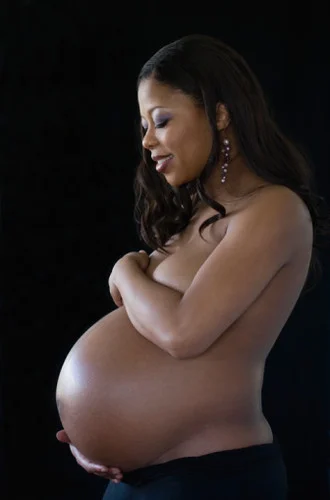
Actress Mia Collins recently shared her journey as a new mother in the pages of Healthy Baby magazine, discussing the ups and downs of motherhood. While it’s the typical “celebrity baby” narrative filled with charming tales of diaper disasters and her partner strumming a guitar to soothe their little one, the focus quickly shifts to Mia’s significant weight loss of 60 pounds after giving birth. Honestly, we can’t quite wrap our heads around it.
The opening line of the article gives us pause: “Mia Collins is back at the gym—a place she’s become quite familiar with since welcoming her son, Leo, just eight months ago.” The magazine gushes about how dedicated she has been to achieving her “stunning new figure.” Mia herself remarks, “During my pregnancy, I completely let myself go. I wasn’t focused on weight, so I indulged and enjoyed every moment. Once the baby came, I was like, ‘Time to get back on track!’”
Setting the Record Straight
Let’s set the record straight: Being pregnant is not synonymous with “letting yourself go.” Such language promotes a damaging stereotype about pregnancy and the incredible transformations our bodies undergo. Almost every woman gains weight during pregnancy, as our bodies are nurturing a new life. There’s nothing wrong with nourishing yourself while carrying a child. The notion that pregnancy is an unrestricted, binge-eating fest in oversized clothing is not only misguided but also detrimental. It stigmatizes healthy eating and perpetuates the unrealistic expectation that post-birth, women should immediately return to a strict diet and intense exercise regime to regain their pre-pregnancy figures.
While we appreciate that Mia didn’t stress over her weight during pregnancy, the pressure to shed pounds postpartum is equally concerning. Self-care in the aftermath of childbirth is vital, and while exercise and proper nutrition play important roles, they are not the sole factors in recovery. New mothers face a myriad of challenges—ranging from navigating parental leave and childcare to emotional struggles and health issues like postpartum depression. Yet, time and again, we’re bombarded with messages from celebrities and media outlets that losing weight is paramount after childbirth.
The Reality of Postpartum Weight Loss
Mia’s physical appearance is closely tied to her career, as the entertainment industry often demands women to maintain a certain aesthetic. She acknowledges her privilege, stating, “I know I’m fortunate. Not all mothers have the means for personal trainers. Honestly, I lack motivation and often feel lost at the gym.”
Nonetheless, she managed to lose 60 pounds within four months of giving birth—a feat that many new moms may find daunting, especially when simply getting dressed feels like a victory. This portrayal of postpartum weight loss is unrealistic and unattainable for the majority of women.
Celebrating Motherhood
Women endure a lot to conceive, give birth, and support their families. We deserve narratives that celebrate our experiences without reducing them to the cycle of “letting ourselves go” and then trying to reclaim our bodies. After all, our bodies have always been with us—they never truly left.
For more insights into home insemination and pregnancy, you can check out our other blog post here. If you’re interested in tools for self insemination, Cryobaby offers a great option. Additionally, for a deeper understanding of IVF, Healthline provides excellent resources.
Summary
This article challenges the stereotype that pregnancy is synonymous with “letting yourself go.” It emphasizes the importance of recognizing the powerful transformations women experience during pregnancy and the unrealistic pressures placed on them to lose weight postpartum. Instead of focusing solely on body image, we should acknowledge the broader challenges mothers face and celebrate their unique journeys.