Home intracervical insemination is a safe procedure when performed with appropriate sterile technique, but the absence of clinical oversight means that the individual must take responsibility for infection prevention measures that are standard practice in any clinical setting. Understanding which surfaces and instruments require sterility, how to maintain a clean technique environment, and what signs indicate a potential post-procedure complication are foundational elements of responsible home ICI practice.
What Sterile Technique Means for Home ICI
True surgical sterility — complete elimination of all microorganisms from instruments and surfaces using autoclave sterilization — is not achievable or necessary in the home ICI context. What is achievable and appropriate is clean technique, which means using single-use sterile disposable supplies, minimizing touch contamination of the catheter tip and syringe barrel, washing hands thoroughly with soap and water for at least 20 seconds before the procedure, and working on a clean, dry surface. The goal is to reduce the introduction of external pathogens into the vaginal and cervical environment to a clinically acceptable minimum, recognizing that the vaginal canal already has a complex resident microbiome.
The vaginal canal is not a sterile environment — it contains a diverse microbiome dominated by Lactobacillus species in most healthy women, which maintains an acidic pH (3.8–4.5) that inhibits pathogen growth. Disruption of this microbiome through unclean equipment, lubricants, or harsh cleaning agents can precipitate bacterial vaginosis or yeast overgrowth, both of which impair cervical mucus quality and may reduce ICI success probability. Using body-temperature-compatible sterile saline (not tap water) to lubricate the catheter if needed, and avoiding antiseptic sprays near the vaginal area, protects the vaginal ecosystem while maintaining procedural cleanliness.
Equipment Requirements and Single-Use Principles
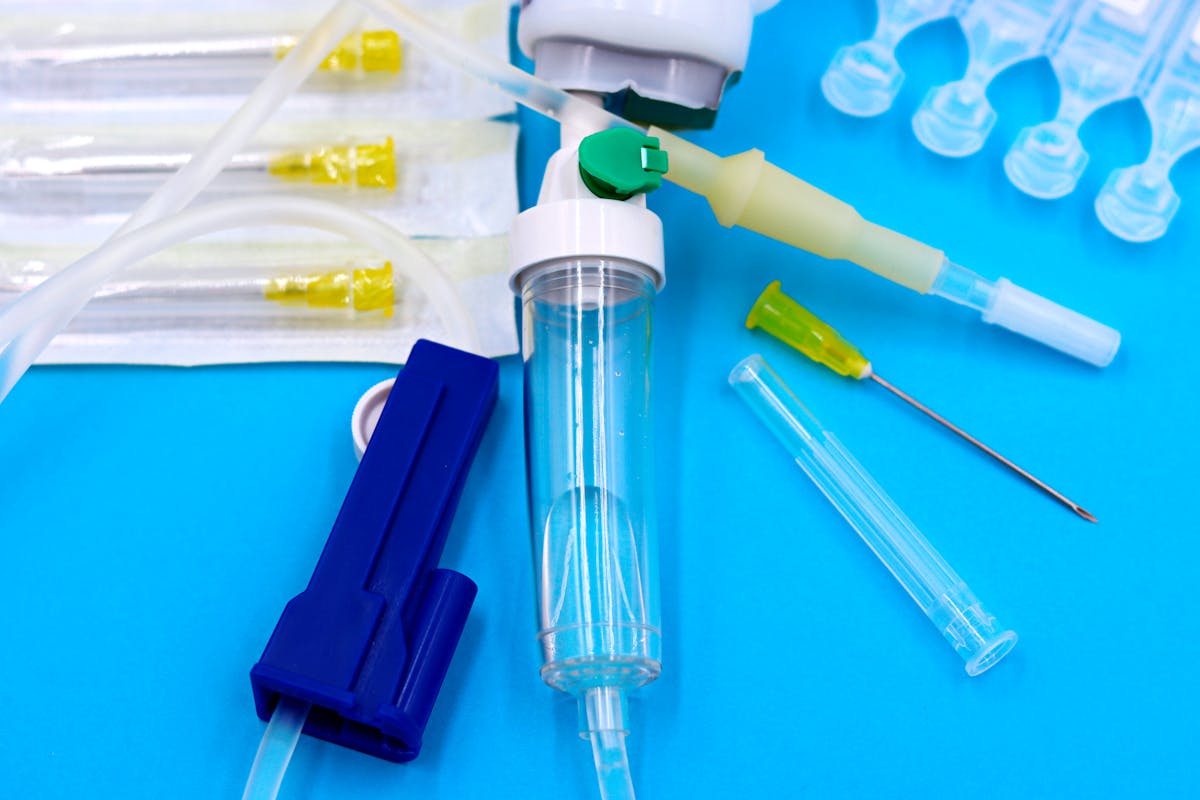
Every component that enters the vaginal canal during home ICI should be sterile and single-use: the insemination catheter, the syringe barrel and plunger, and any speculum or cervical visualizer used. Reusing or improvising equipment — including using straws, turkey basters, or non-medical tubing — introduces unpredictable contamination risk and should be strictly avoided. Purpose-designed ICI kits (such as the Mosie Baby kit or equivalent) include pre-sterilized single-use catheters and syringes packaged in sealed sterile pouches that should be opened immediately before use and not touched on the working surfaces before insertion. Equipment that contacts the outside of the packaging should not be considered sterile for insertion purposes.
Speculums used for cervical visualization during home ICI are available as single-use sterile disposable plastic instruments from medical supply companies and should be discarded after each use. Reusable metal speculums require high-level disinfection between uses (boiling for 20 minutes or soaking in 2% glutaraldehyde solution for 20 minutes) — a process that most home users are not equipped to perform safely. For most home ICI users, cervical visualization is not performed, and the catheter is inserted without speculum guidance; this increases the possibility of catheter placement against the posterior vaginal wall rather than the cervical os and is a common reason for procedural inefficiency in home settings.
Hand Hygiene and Procedural Environment
Hand washing before home ICI should follow the WHO 6-step surgical hand hygiene technique: palm to palm, between fingers interlaced, backs of fingers to opposing palms, rotational rubbing of thumbs, back and forth with fingers in palms, then wrist washing — for a minimum of 20 seconds with liquid soap and warm water, followed by thorough drying with a clean paper towel. Alternatively, if access to a sink is inconvenient near the procedure site, an alcohol-based hand rub (60–95% ethanol or isopropanol) applied to dry hands and rubbed until dry is an acceptable substitute. After hand washing, avoid touching any non-sterile surface (doorknobs, phone screens, clothing) before opening and handling the sterile equipment.
The procedure surface (a nightstand, bathroom counter, or bed tray) should be cleared and wiped down with an alcohol-based surface wipe or a clean disposable cloth before laying out sterile equipment. All kit components should be opened and arranged on the cleaned surface before washing hands so that hands only touch sterile materials after handwashing. Partners assisting with the procedure should also perform hand hygiene. The syringe should be loaded with the thawed specimen using the sterile technique described in the kit instructions — typically drawing the specimen into the syringe using the provided needle-free adapter without creating air bubbles that could reduce delivered volume.
Post-Procedure Signs That Warrant Medical Attention
After home ICI, patients should be alert to signs of infection or mechanical injury that require clinical evaluation: fever above 38°C (100.4°F) within 48–72 hours of the procedure, severe pelvic cramping or pain that does not respond to ibuprofen, unusual vaginal discharge with odor or abnormal color appearing within 1 week post-procedure, or a significant increase in menstrual bleeding. These symptoms may indicate pelvic inflammatory disease (PID), a rare but serious complication of any transcervical procedure in the presence of pre-existing undiagnosed cervical infection. For this reason, testing and treatment of any active cervical chlamydia or gonorrhea infection before home ICI is strongly recommended — a simple urine or swab NAAT test that any primary care provider or sexual health clinic can perform.
For a complete at-home insemination solution, the MakeAmom Babymaker Kit includes everything you need for a properly timed, sterile ICI cycle. For a complete at-home insemination solution, the MakeAmom Couples Pack includes everything you need for a properly timed, sterile ICI cycle.
Further reading across our network: IntracervicalInseminationKit.info · IntracervicalInseminationSyringe.info · MakeAmom.com
This article is for educational purposes only and does not constitute medical advice. Always consult a qualified healthcare provider before making decisions about your fertility care.