The endometrium — the uterine lining that a fertilized embryo must successfully implant into — is one of the most studied but still incompletely understood variables in reproductive medicine. In ICI cycles, where sperm is placed near the cervix rather than directly into the uterus, adequate endometrial preparation remains essential because implantation must still occur in the uterine cavity. Understanding what thickness thresholds matter and why can help optimize your ICI outcomes.
What Endometrial Thickness Measurements Mean
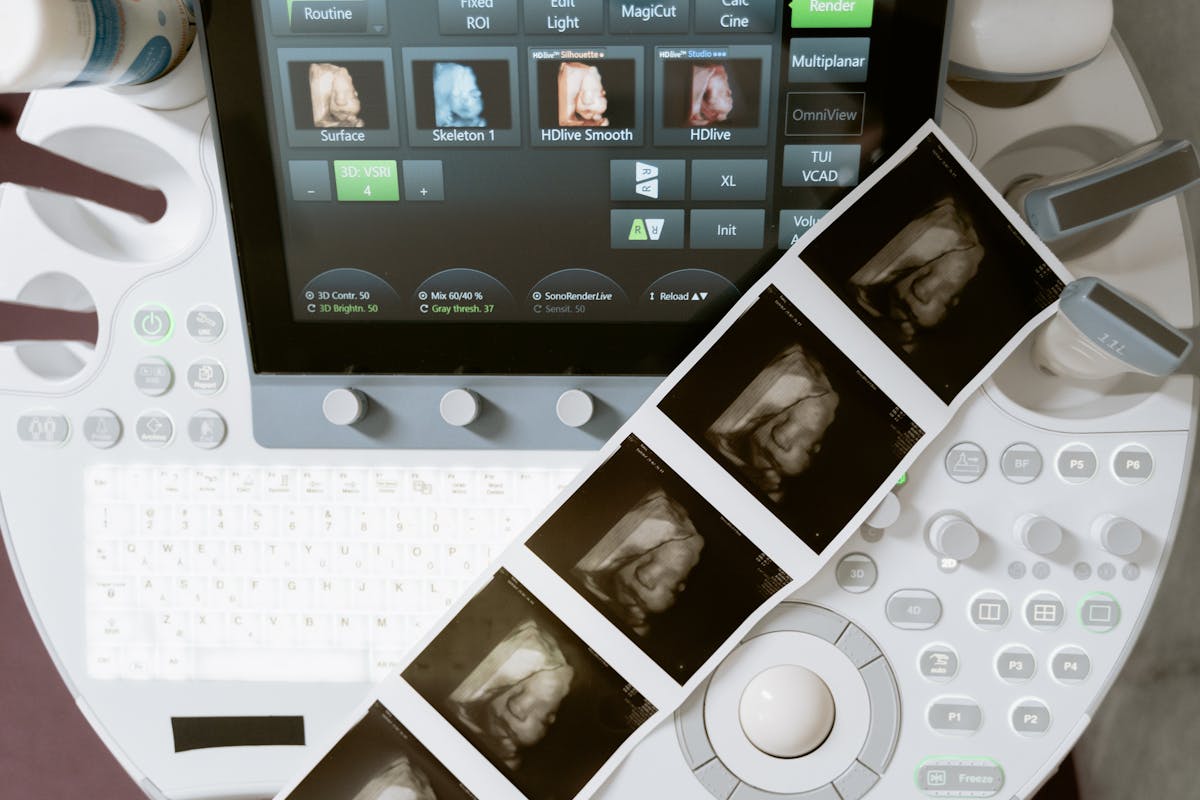
Endometrial thickness is measured via transvaginal ultrasound as the double-layer thickness of the uterine lining, typically reported in millimeters. Measurements are most clinically meaningful when taken on the day of or just before the hCG trigger in stimulated cycles, or at the LH surge in natural cycles. The endometrium follows a predictable growth pattern driven by estrogen — from a thin proliferative phase lining (3–7 mm) to a secretory phase lining (8–14 mm) following ovulation. A trilaminar (three-layered) appearance on ultrasound at the time of ovulation is considered the most receptive pattern and is associated with better implantation outcomes.
The minimum endometrial thickness threshold most commonly cited in the literature for IUI and ICI cycles is 7 mm. A 2014 meta-analysis of 16 studies found that endometrial thickness below 7 mm was associated with significantly reduced pregnancy rates across assisted reproduction treatments, including IUI cycles. However, thickness is not the sole variable — a 9 mm endometrium with poor vascularization or abnormal morphology may perform worse than a 7.5 mm endometrium with a healthy trilaminar pattern. Thickness is a necessary but not sufficient indicator of endometrial receptivity.
Causes of Inadequate Endometrial Development
The most common causes of thin endometrium in ICI candidates include: anti-estrogenic medications (clomiphene citrate is a significant culprit, with known endometrial thinning effects that have contributed to the shift toward letrozole as first-line ovulation induction), intrauterine adhesions (Asherman’s syndrome following uterine surgery or infection), endometritis (uterine inflammation often caused by subclinical chlamydial infection), inadequate estrogen production due to diminished ovarian reserve, and chronic endometrial thinning following previous uterine procedures. Identifying the mechanism is essential because treatment differs substantially by cause.
Clomiphene-associated endometrial thinning deserves specific attention given how commonly this medication is prescribed for ICI cycles. Clomiphene’s anti-estrogenic effects at the endometrial level are well-documented — up to 20–30% of clomiphene cycles produce endometrial thickness below 7 mm. This is one of the primary clinical reasons that letrozole has superseded clomiphene as first-line ovulation induction for ICI: letrozole does not exert peripheral anti-estrogenic effects, preserving endometrial quality while inducing ovulation. If you are using clomiphene and your monitoring reveals poor endometrial development, switching to letrozole is a high-priority protocol adjustment.
Strategies to Improve Endometrial Thickness
Evidence-supported interventions for improving endometrial thickness include: switching from clomiphene to letrozole for ovulation induction (first-line adjustment), supplemental estradiol administration in the follicular phase for patients with documented thin endometrium, low-dose aspirin therapy (81 mg daily) which may improve uterine blood flow and endometrial thickness through its vasodilatory effects (though evidence is mixed and more consistent in IVF than ICI contexts), and vitamin E supplementation (600 mg daily) which has shown benefit in small randomized trials for endometrial inadequacy.
Experimental interventions with emerging evidence include intrauterine infusion of granulocyte colony-stimulating factor (G-CSF) for refractory thin endometrium and platelet-rich plasma (PRP) intrauterine instillation. These are investigational approaches most commonly used in IVF contexts after multiple implantation failures and are not standard ICI protocol — but for patients with persistently thin endometrium despite first-line interventions, discussing these options with a reproductive endocrinologist is appropriate. Acupuncture and dietary interventions (iron-rich foods, warming herbs in traditional Chinese medicine contexts) lack high-quality evidence but are widely used by patients and carry minimal risk.
Monitoring and Clinical Decision-Making
For ICI patients using ovulation induction, a single monitoring ultrasound on day 10–12 of the stimulation cycle (or at triggering) to assess both follicular development and endometrial thickness provides the most actionable information. A finding of a mature follicle (18–20 mm) with adequate endometrial thickness (≥7 mm, trilaminar) indicates a favorable cycle for ICI. A finding of a mature follicle but endometrial thickness below 7 mm presents a clinical decision point: some practitioners proceed with ICI and note the finding for protocol adjustment in the next cycle; others delay the trigger or cancel the cycle to avoid wasting a sperm vial in an unfavorable endometrial environment.
The literature on whether to proceed with ICI in thin-endometrium cycles does not provide a firm consensus. Clinical practice varies — some studies have documented pregnancies in cycles with endometrial thickness as low as 5 mm, suggesting that cancellation below 7 mm may be overly conservative in some patients. The decision is most appropriately individualized: considering the patient’s overall reserve, cycle history, sperm cost, and emotional investment in the current cycle alongside the endometrial finding. A single subthreshold measurement in an otherwise well-designed cycle warrants documentation and protocol review rather than automatic cancellation.
For a complete at-home insemination solution, the MakeAmom Babymaker Kit includes everything you need for a properly timed, sterile ICI cycle. For a complete at-home insemination solution, the His Fertility Boost includes everything you need for a properly timed, sterile ICI cycle.
Further reading across our network: IntracervicalInsemination.org · MakeAmom.com · IntracervicalInseminationKit.info
This article is for educational purposes only and does not constitute medical advice. Always consult a qualified healthcare provider before making decisions about your fertility care.